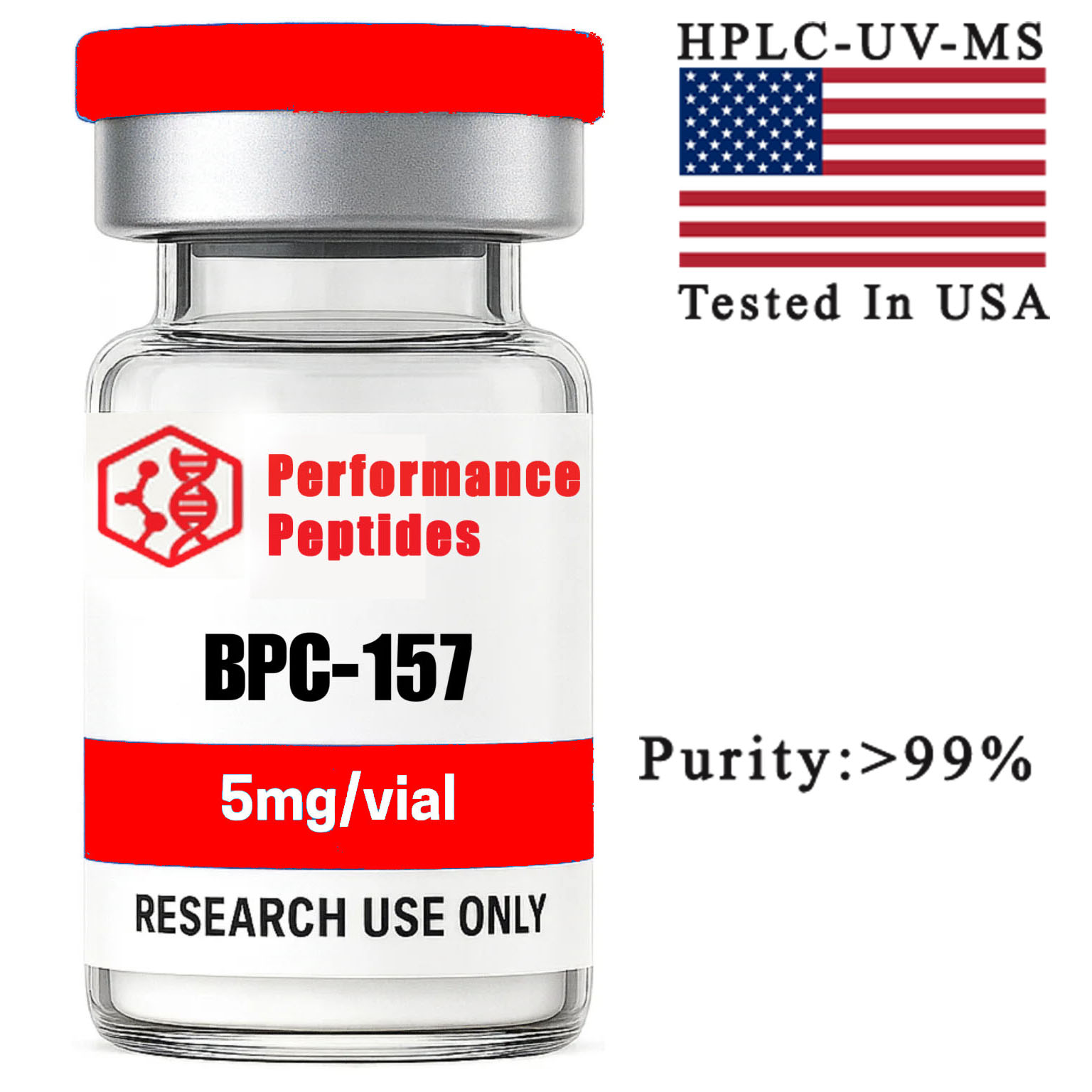
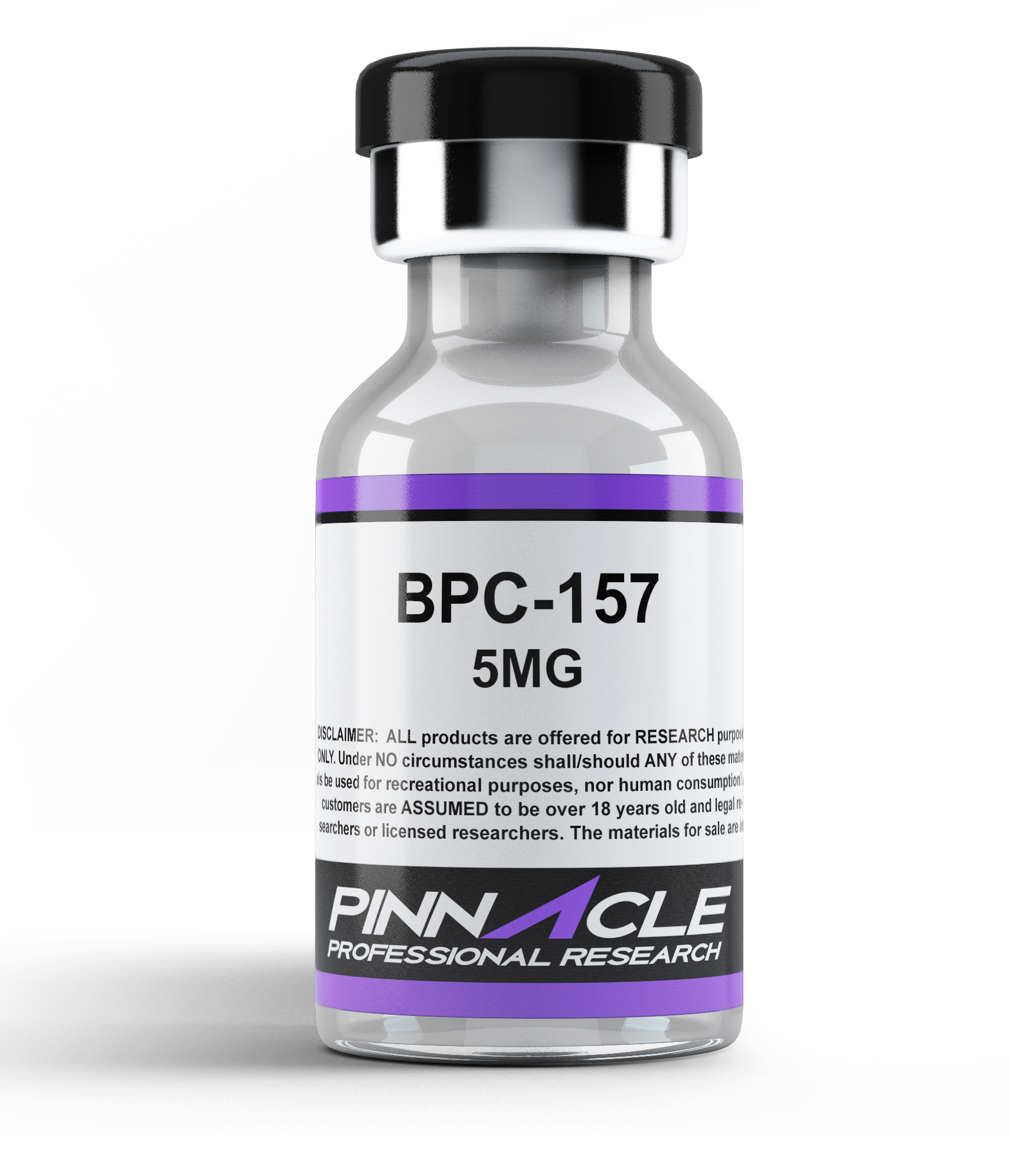
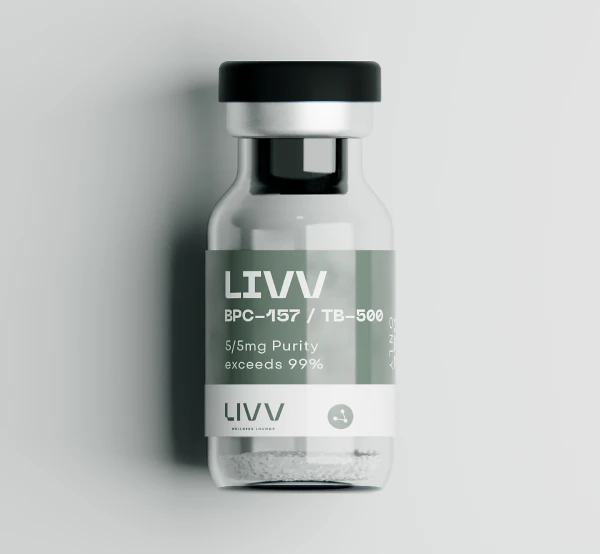
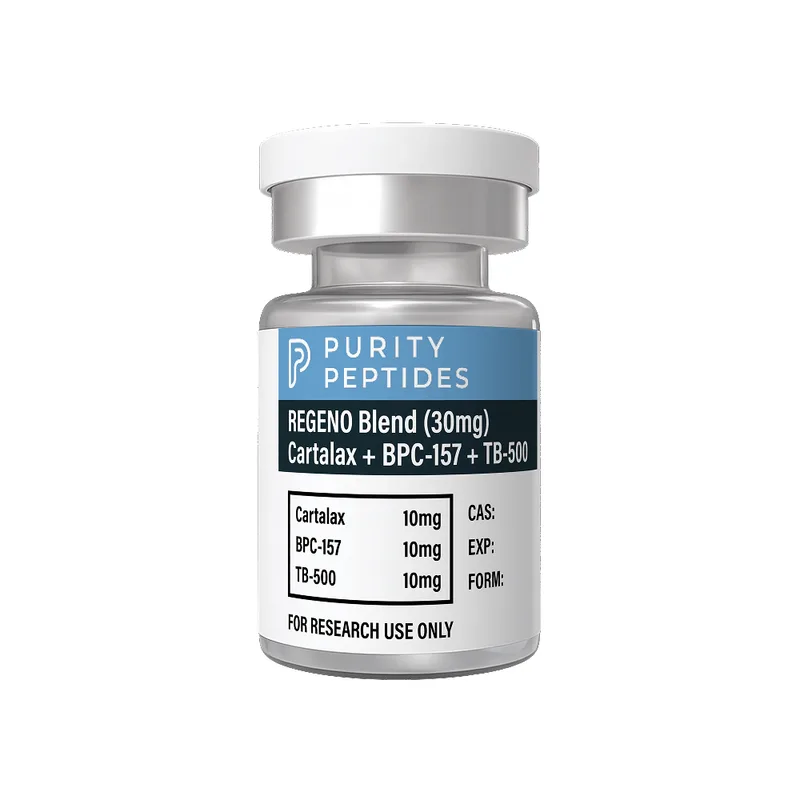
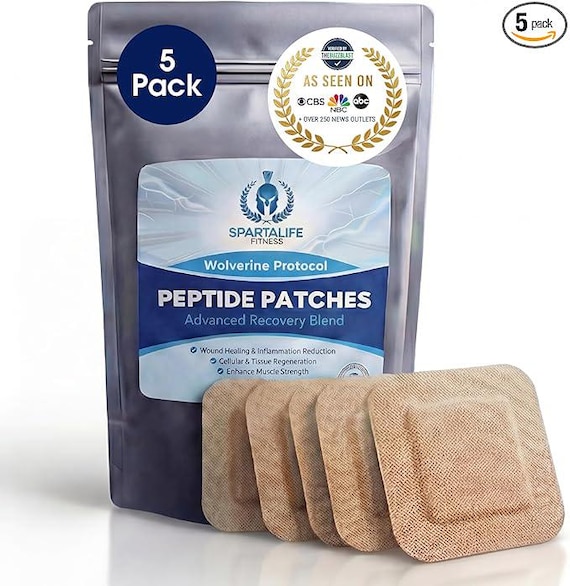
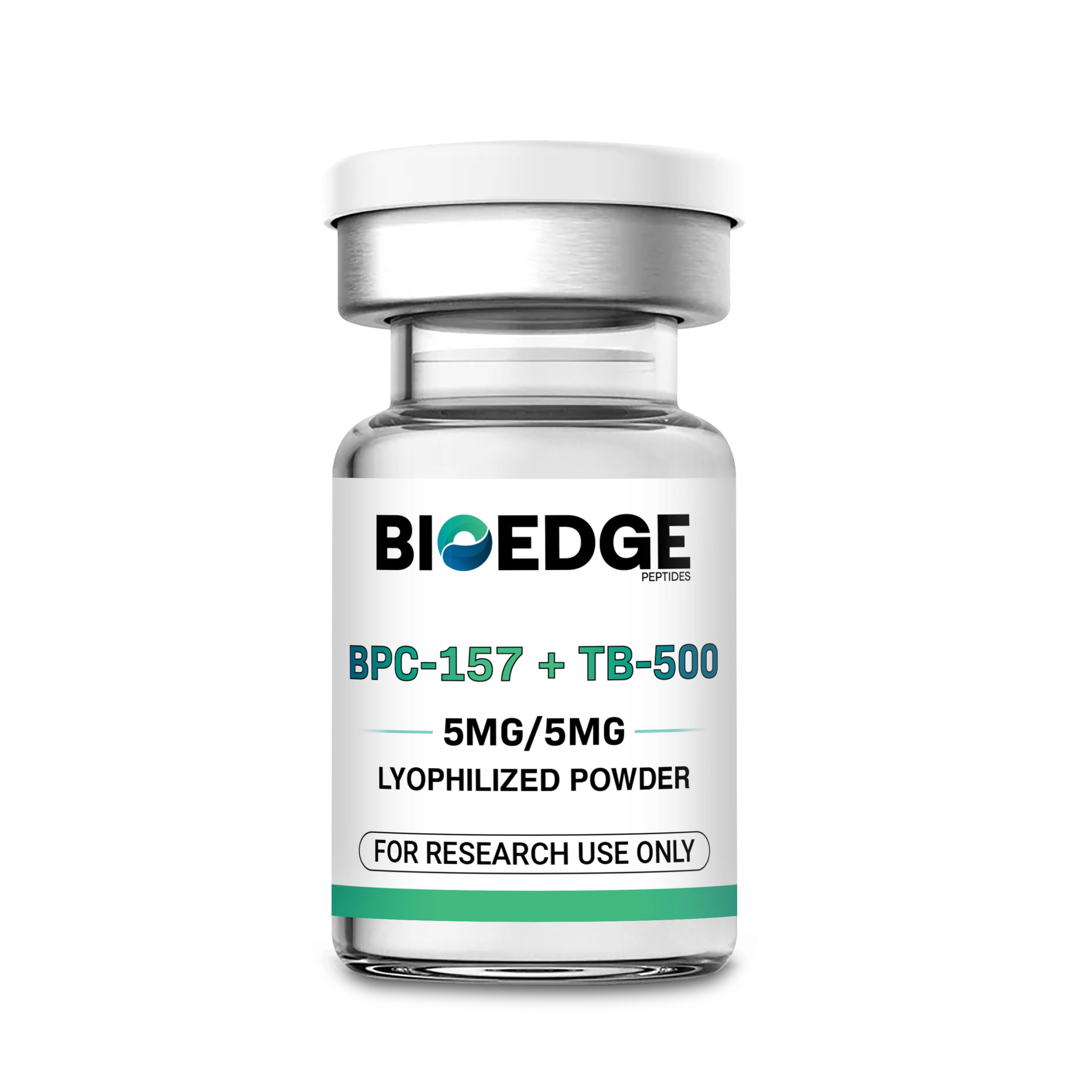
The Math (So You Can Do It Yourself) Here's the formula for any vial size and any amount of water: Concentration = Peptide Amount (mcg) Water Added (mL) Then to find the injection volume: Units to inject = Desired Dose (mcg) Concentration (mcg/mL) 100 Example: 5,000mcg vial + 2mL water = 2,500mcg/mL
$2.99 USD PRP Hair Restoration Note Template Document PRP hair restoration treatments with precision using this professional EMR template
Back to Journals Journal of Hepatocellular Carcinoma Volume 8 Intraarterial Lidocaine Administration for Pain Control by Water-in-Oil Technique in Transarterial Chemoembolization: in vivo and Randomized Clinical Trial Authors Wang LZ, Hu XX, Shen XC , Wang TC , Zhou S Received 5 August 2021 Accepted for publication 23 September 2021 Published 5 October 2021 Volume 2021:8 Pages 12211232 DOI Checked for plagiarism Yes Review by Single anonymous peer review Peer reviewer comments 5 Editor who approved publication: Dr Ahmed Kaseb Li-Zhou Wang, 1, * Xiao-Xia Hu, 2, * Xiang-Chun Shen, 2, 3 Tian-Cheng Wang, 4 Shi Zhou 1 1 Department of Interventional Radiology, The Affiliated Hospital of Guizhou Medical University, Guiyang, Guizhou, Peoples Republic of China
What you're describing is how I self inject
Clinical Indications and Who May Benefit Based on the preclinical literature and emerging clinical use patterns, BPC-157 is most commonly applied in the following areas: Tendon, ligament, and muscle injuries (sprains, partial tears, chronic tendinopathy) Post-surgical tissue healing and recovery acceleration Inflammatory bowel conditions (Crohns, ulcerative colitis, leaky gut syndromes) NSAID-induced gastric damage notably, BPC-157 counteracts aspirin- and ibuprofen-driven mucosal injury Neuropathy and nerve regeneration protocols Systemic inflammation and autoimmune flares Recovery from alcohol-related liver and gut damage It is also increasingly used as a component in broader peptide therapy protocols alongside BPC-157s companion compounds