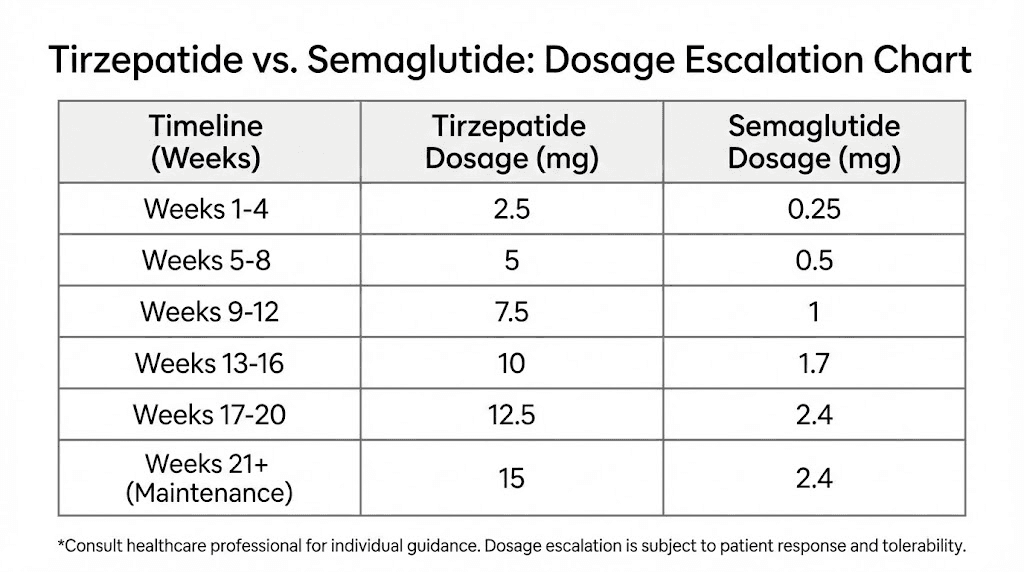
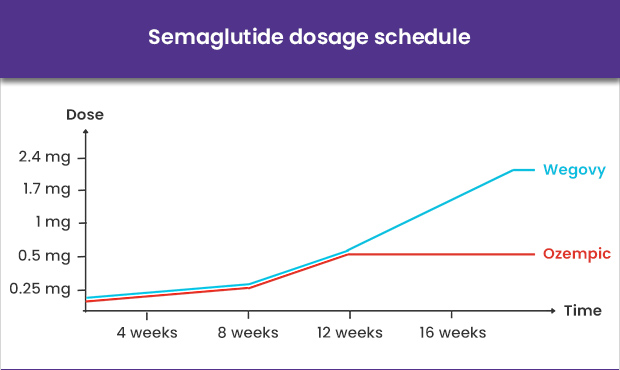
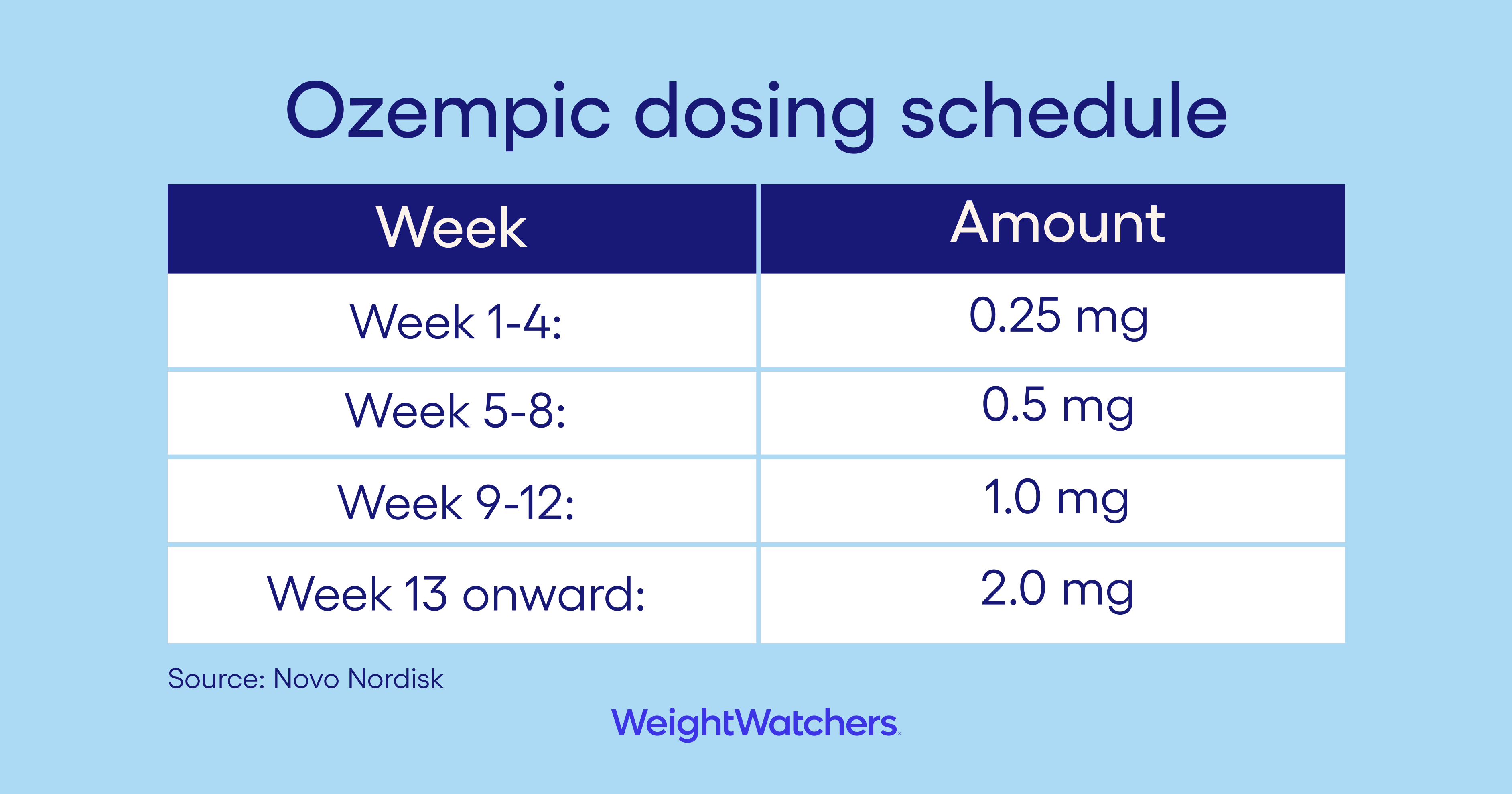
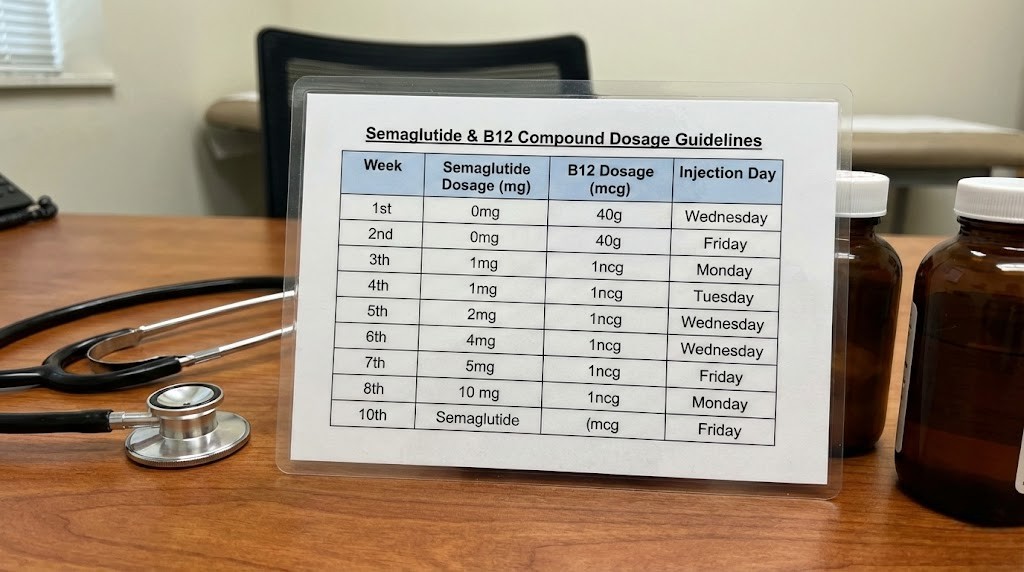
The most frequently reported adverse effects are gastrointestinal and typically occur during treatment initiation or dose escalation: Nausea (very common): Usually mild to moderate and diminishing over time Diarrhoea (very common): Potentially contributing to dehydration Vomiting (common): Particularly during early treatment phases Constipation (common): Due to delayed gastric emptying Abdominal pain and dyspepsia (common): May affect eating and drinking patterns Decreased appetite (very common): A therapeutic effect that may inadvertently reduce fluid intake Other notable side effects include: Injection site reactions (erythema, pruritus, swelling) Fatigue and dizziness, which may be exacerbated by dehydration Hypoglycaemia, particularly when used with insulin or sulfonylureas (doses of these medications may need to be reduced when starting tirzepatide) Increased heart rate (modest elevation of 2-4 beats per minute) Gallbladder problems including gallstones and inflammation Potential worsening of diabetic retinopathy in patients with pre-existing disease According to NICE guidance , patients should be counselled about these expected side effects before initiating treatment

Over time, increased levels of serotonin can positively impact mood, sleep and your general sense of well being
Wen B, Tang S, Lv X, Li D, Xu J, Olsen RKJ et al (2022) Clinical, pathological and genetic features and follow-up of 110 patients with late-onset MADD: a single-center retrospective study
Always consult your healthcare provider about exercise recommendations that are appropriate for your specific condition, as certain inflammatory disorders may require modified approaches to physical activity
N gip bo v Glutathione khi s phn hy trong ng tiu ha v tng kh nng hp thu vo mu



.png.jpg)