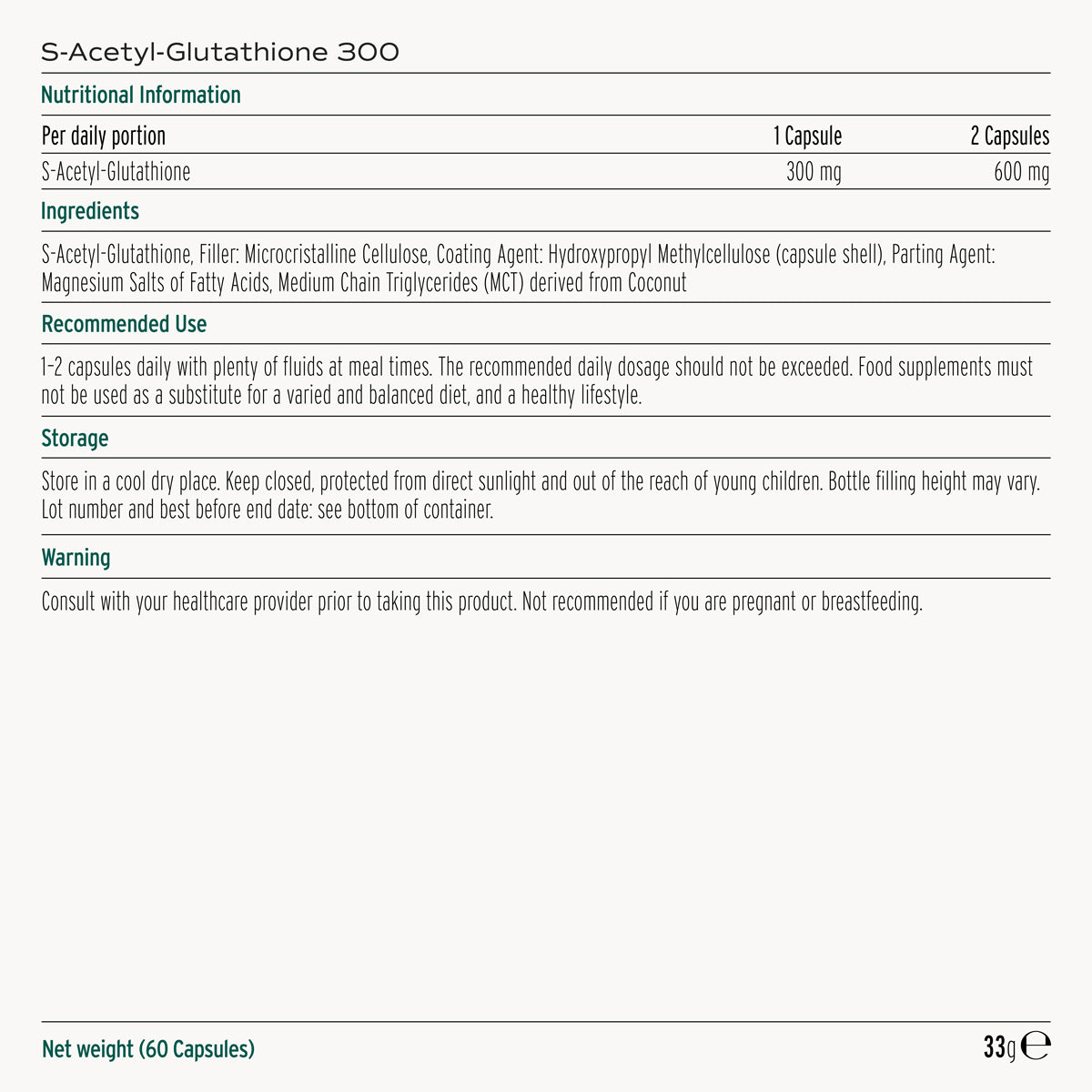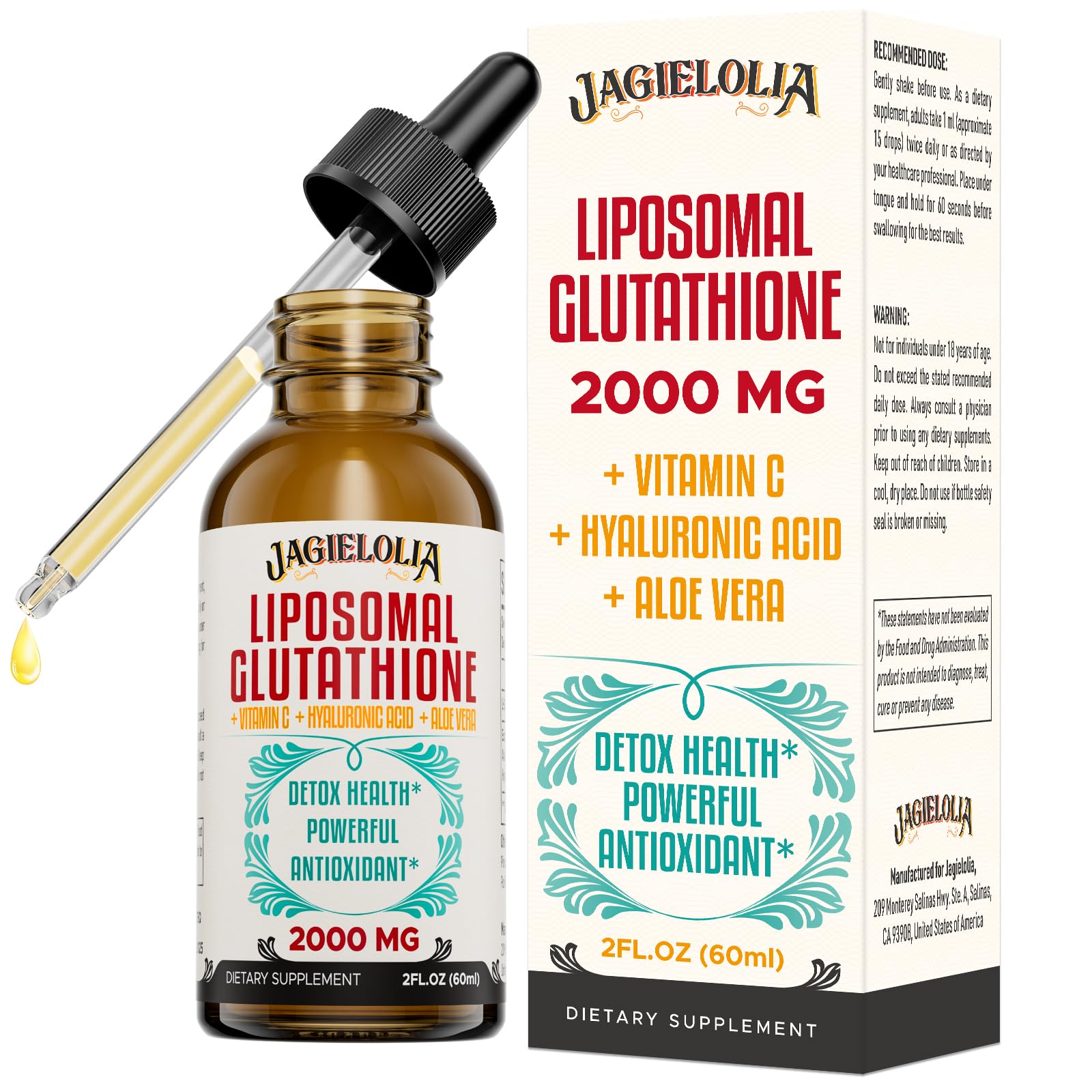
It exists naturally in the body and is primarily synthesized in the liver
Animal studies -- primarily in rats -- have shown BPC-157 may accelerate healing of tendons, ligaments, muscles, and bones
Gastrointestinal Cytoprotection In its original gastric biology context, BPC-157 promotes mucosal integrity through prostaglandin-independent mechanisms, modulates enteric neuron and glial cell activity, counteracts NSAID-induced intestinal permeability, and demonstrates organoprotective activity across the alimentary canal from oesophagus to colon in a range of injury models including ethanol, aspirin, and restraint stress-induced lesions
Appetite Regulation and Central Signaling Research suggests that amylin-related signaling involves several brain regions associated with appetite regulation and nutrient sensing
ImageStream analysis Cells were loaded into an Amnis ImageStreamX Mark II system (EMD Millipore) for imaging and fluorescence detection