BPC-157's benefit unclear here) Active infections (defer until infection cleared) Pregnant or nursing individuals (insufficient safety data) Those with undiagnosed joint pain (get imaging first) How to Use BPC-157: Practical Protocol If you're considering BPC-157 for an acute injury: Week 1-2 (Acute Phase) BPC-157: 250-300 mcg IM once daily Training: Immobilize/limit load on injured tissue Nutrition: High protein (1.6-2.2 g/kg), adequate micronutrients (Vitamin C, Zinc, Copper for collagen) Week 3-6 (Proliferation Phase) BPC-157: 300-500 mcg IM every other day (or continue daily if acute response good) Training: Controlled mobility work, sub-maximal loading Nutrition: Continue high protein, add extra Vitamin C (3-5g/day) to optimize collagen synthesis Week 6+ (Remodeling Phase) BPC-157: Taper to 2-3x per week, then discontinue Training: Progressive return to full intensity Follow-up: Imaging (ultrasound, MRI) to confirm structural recovery Stacking BPC-157 with Other Recovery Tools BPC-157 works best as part of a comprehensive recovery protocol: Synergistic Peptides TB-500 (Thymosin Beta-4) : Complements BPC-157

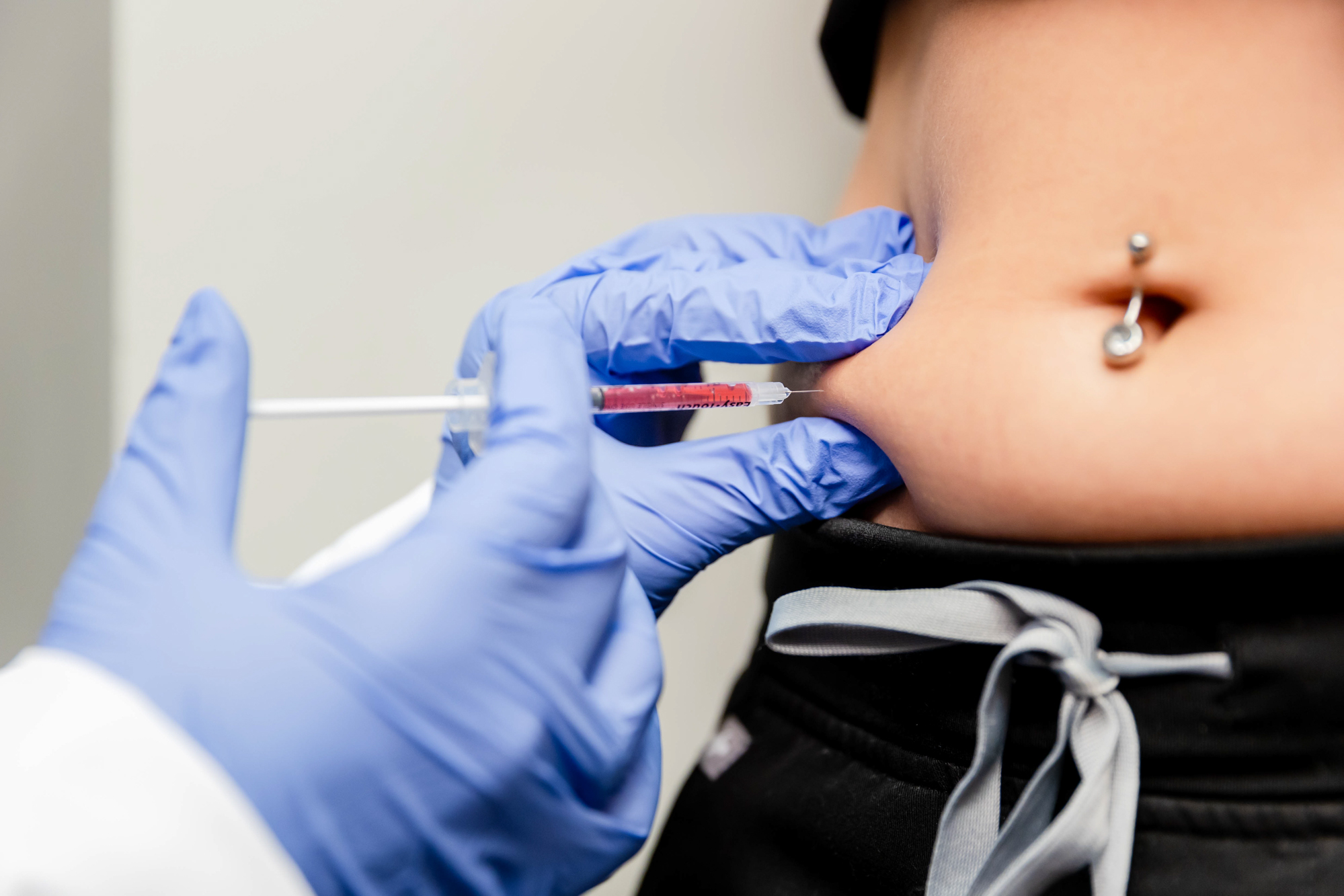
While oral B12 supplements can be effective, B12 injections are often more potent and provide faster results, especially for individuals with vitamin absorption issues
Direct attribution of unreported or underreported adverse events is not possible with available data
A: In vitro studies involve cells in a controlled environment, using molar concentrations (M), while in vivo studies involve whole organisms and use weight-based dosages (mg/kg)
Meanwhile, sustained IGF-1 elevation above 300 ng/mL has been associated with increased colorectal and breast cancer risk in epidemiological data (Renehan et al., Lancet 2004)