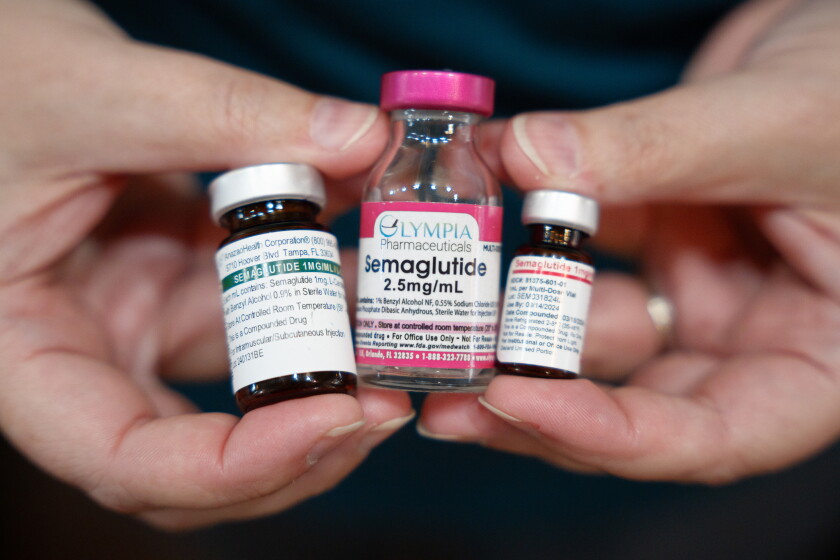
The molecule is the same class of GLP-1 receptor agonist
Common side effects include nausea, vomiting, and gastrointestinal changeseffects that usually diminish after the first 2-4 weeks but warrant discussion with your healthcare provider
Factors Affecting Tolerance Your tolerance may vary based on dose level (higher doses often mean lower tolerance for problematic foods), days since injection (days 1 to 3 typically worst tolerance), what else you ate in the meal (fat combined with other slow-digesting foods is worse than fat alone), portion size (small amounts might be fine while larger portions cause problems), and your current stress and sleep status (poor sleep and high stress reduce tolerance)
:max_bytes(150000):strip_icc()/health-GettyImages-2025836701-ce3f5ccf0f98428e9d14abaeb07ba307.jpg)
These might include: Pregnancy test : Essential first step for any woman of reproductive age with menstrual changes Blood tests : To assess hormone levels (FSH, LH, oestradiol, prolactin, thyroid function) and full blood count if bleeding is heavy STI screening : Particularly for unexplained intermenstrual or postcoital bleeding Pelvic ultrasound : If structural causes need to be excluded Review of medication : To ensure no drug interactions or other contributing factors Keep a menstrual diary noting cycle length, flow heaviness, and any associated symptoms
If you use insulin or sulfonylureas alongside semaglutide, your doctor might lower those medications first to prevent compounding hypoglycemia risk












.png)