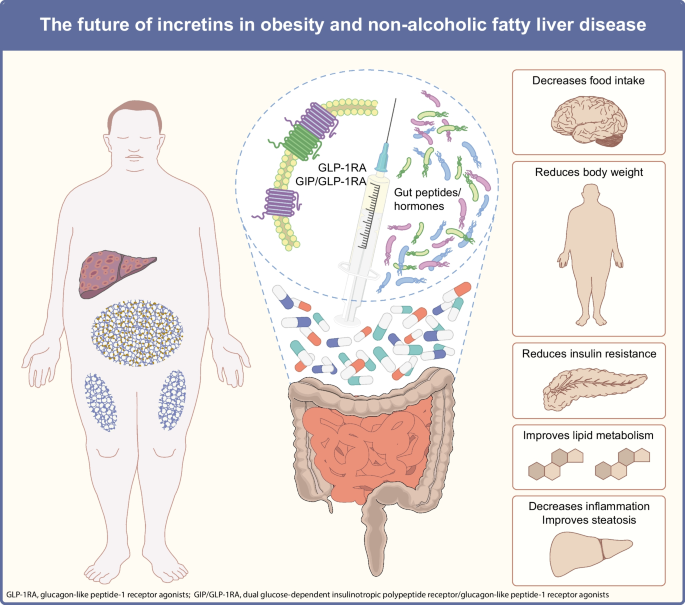
These include: Nausea (the most common complaint, particularly in the first few weeks) Vomiting Diarrhoea or constipation Decreased appetite (which, while therapeutically desirable, can occasionally be excessive) Abdominal discomfort or bloating Injection-site reactions (such as redness, itching, or mild swelling at the injection site) Headache, dizziness, and fatigue , particularly during early treatment These effects are generally dose-dependent and tend to diminish as the body adjusts to the medication
The problem is that peptides are often marketed as low-risk solutions, which can cause patients to overlook potential side effects
Limited ability to block infections What has become clear is that first-generation vaccines are somewhat limited in their ability to prevent infections, with an efficacy of ~75% for preventing symptomatic infections but only ~45% for preventing asymptomatic infections [5]
Pharmacokinetic Profile Route of Administration Intravenous Dosing Frequency Once daily Route of Administration : used in animal studies as topical, intradermal, intra-articular, or intravenous applications Dosing Frequency : Once daily Half-Life : Varies depending on experimental design
Gastrointestinal tract healing, lessons from tendon, ligament, muscle and bone healing

.jpg)








:max_bytes(150000):strip_icc()/insulin-injection-478185779-594b3cae3df78cae8111498f.jpg)