In research settings, NNMT inhibition is commonly used to explore how altering that branch point can shift the balance of methyl donor consumption, influence measurable pathway intermediates, and change downstream signatures that relate to energy handling, lipid pathways, and mitochondrial capacity depending on model and assay conditions
The research to date reveals that both can provide significant benefits for recovery from musculoskeletal injuries, skin wounds, inflammation, and more
These dynamic interactions are regulated by hormonal signals such as catecholamines and insulin which have opposing effects on lipolysis
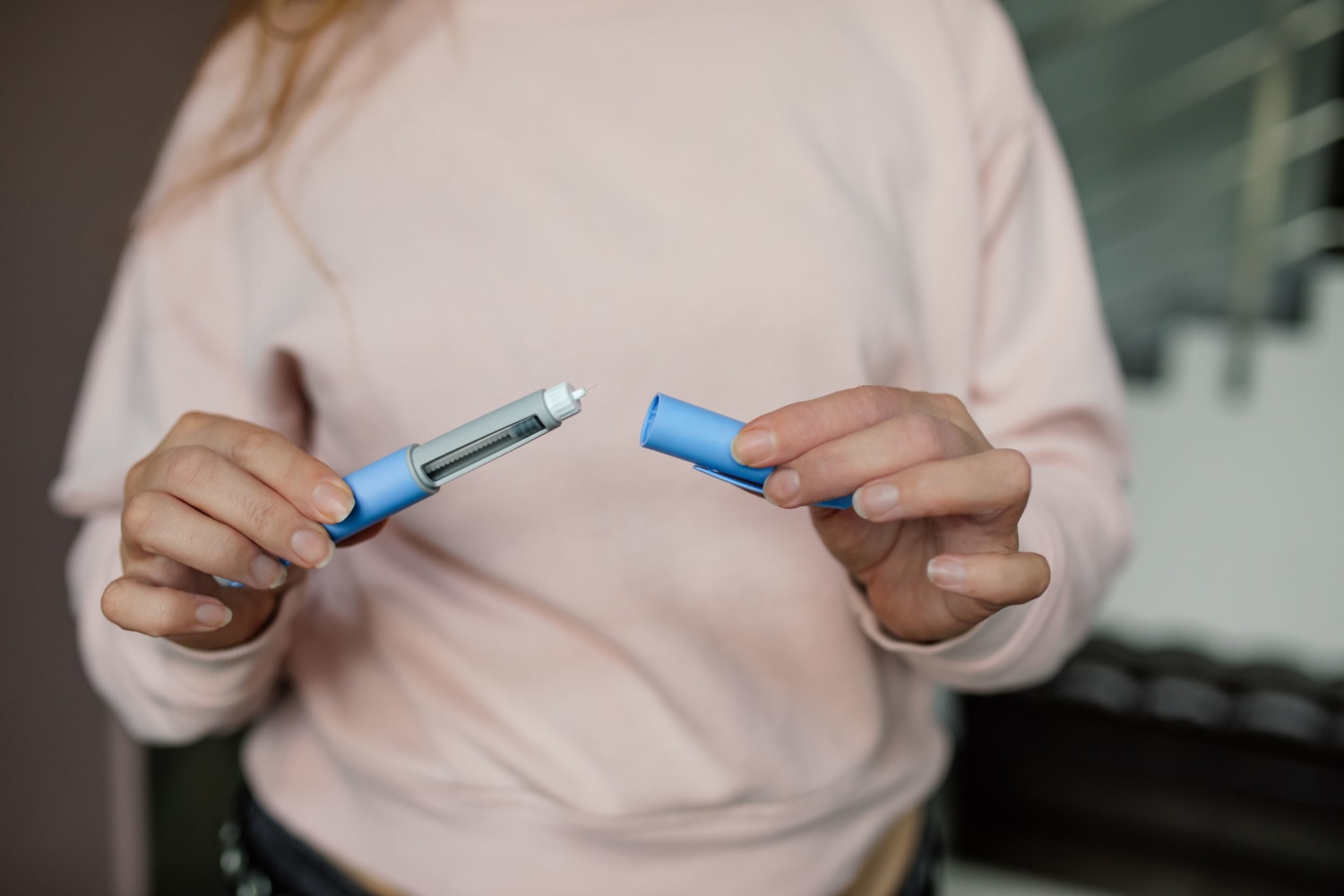
Clean the injection site: Clean the skin with an alcohol swab
Proper sterile technique: Clean hands thoroughly Wipe vial tops with alcohol before every needle insertion Use sterile needles and syringes Don't touch needle to any non-sterile surface Inject water slowly down side of vial (not directly onto powder) Don't shake, swirl gently Poor technique consequences: Bacterial contamination introduced during mixing Peptide degradation from vigorous shaking Shorter shelf life even with proper refrigeration Learn complete reconstitution technique in our how to reconstitute peptides guide