These factors include aging, poor diet, stress, pollution, and certain medical conditions
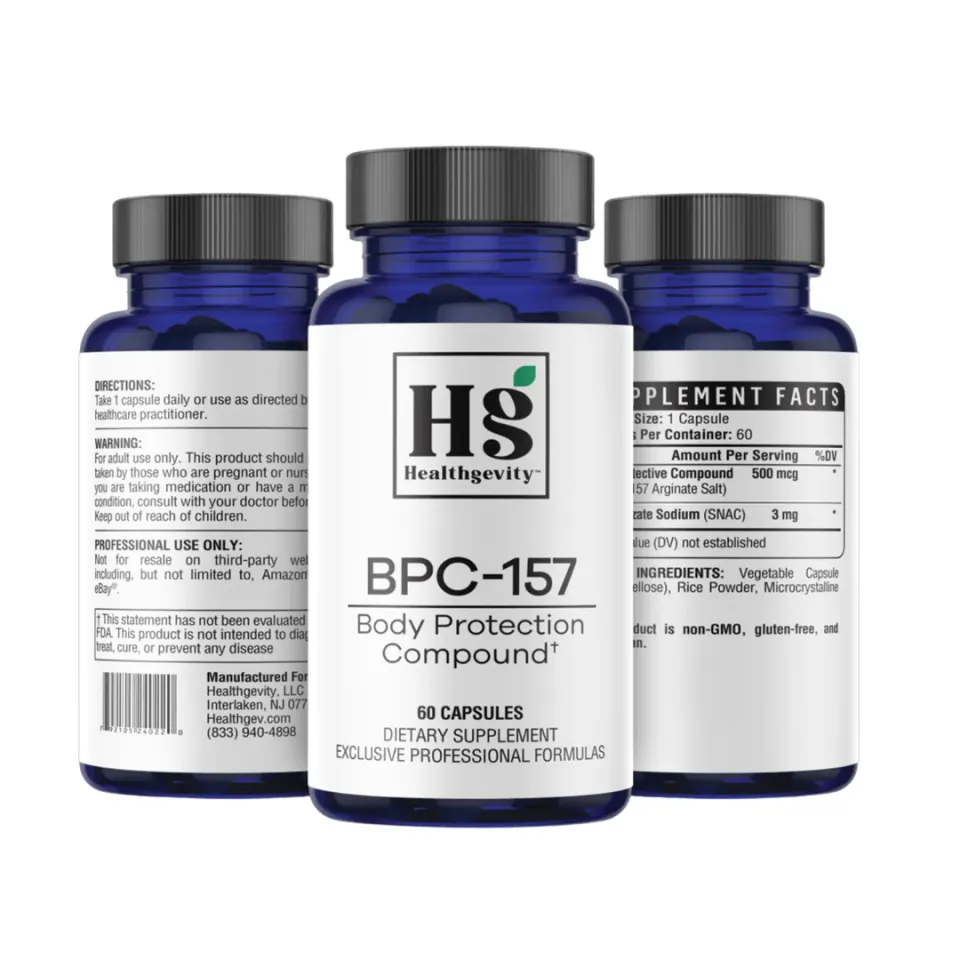
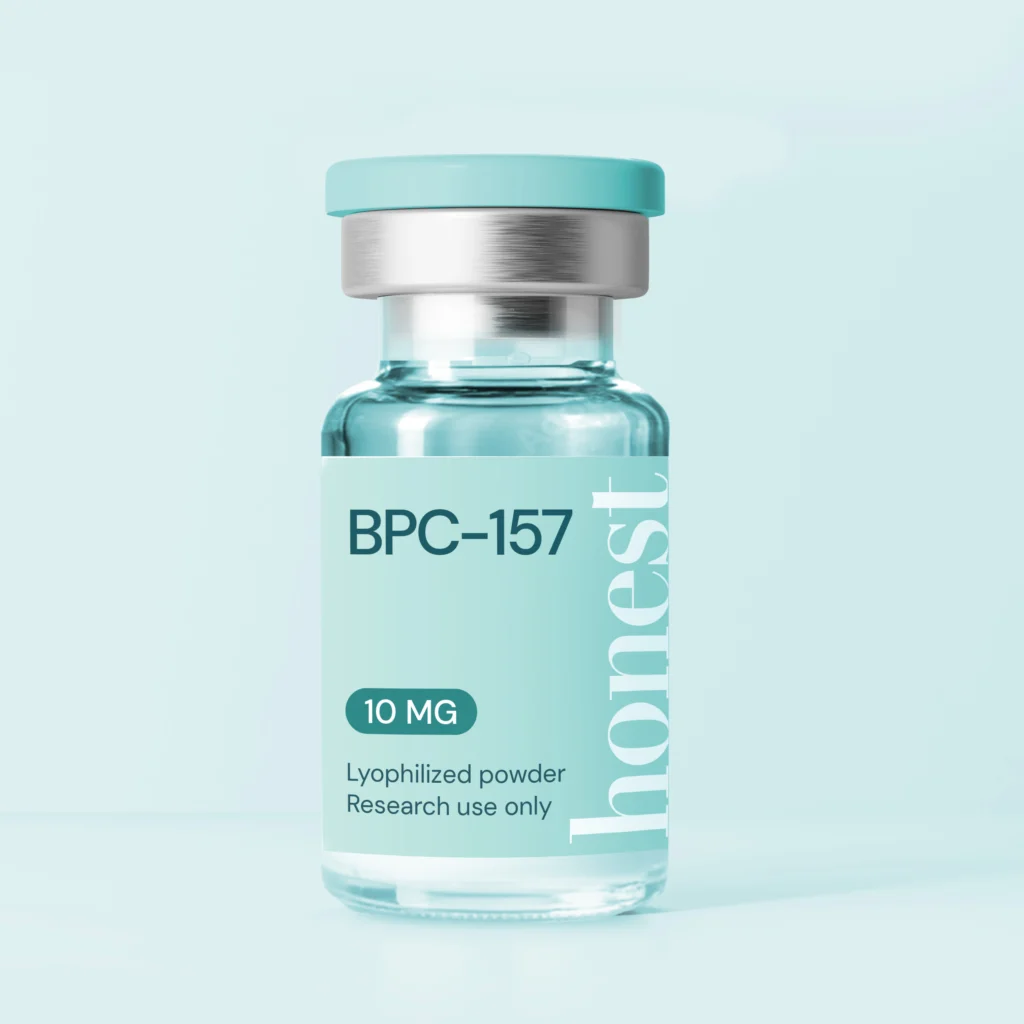
GHK-Cu: collagen and structure GHK-Cu is a copper-binding tripeptide associated with regulation across more than 4,000 genes, including collagen synthesis, antioxidant defense, wound healing, inflammation, and tissue breakdown. Circulating levels decline with age, from roughly 200 ng/mL at age 20 to about 80 ng/mL by 60. It clears damaged matrix while helping new collagen form and cross-link into stronger structure (matrix remodeling and lysyl oxidase activation). BPC-157: blood supply BPC-157 is a 15-amino-acid fragment from gastric juice
[1] When applied topically, GHK-Cu is believed to support processes associated with: Skin regeneration Collagen production Elastin maintenance Wound healing Inflammation control Antioxidant defense These functions help explain why GHK-Cu is often discussed in both anti-aging and skin-repair contexts
As an antioxidant, glutathione directly quenches several reactive oxygen species (free radicals)
By treating this process with the seriousness it deserves, you ensure that the data you generate is built on a foundation of stability, accuracy, and purity